
Which Boat Lift Do I Need?
Use this guide to understand the main factors that affect lift selection. When you are ready, Summit Marine can review your details, help identify the right next step, and route the inquiry to the appropriate dealer when needed.
Start With Your Boat and Waterfront
Before comparing lift types, gather the details that affect fit, safety, performance, and long-term value.
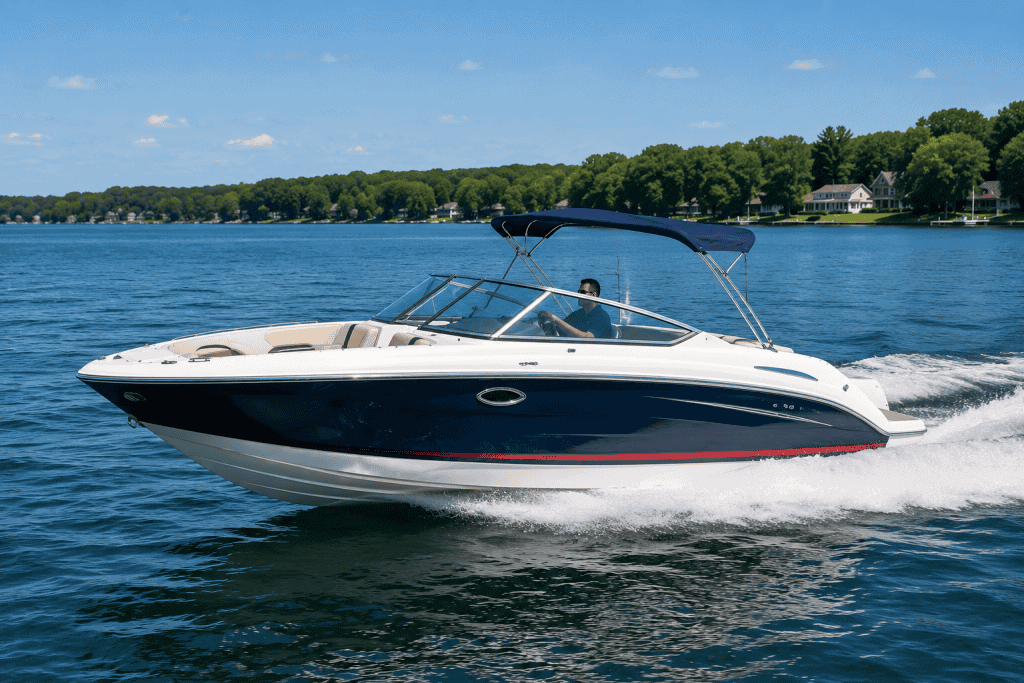
Boat Information to Collect
- Boat type
- Boat weight
- Beam width
- Hull style
- Overall length
- Motor and regular onboard load
- Fuel, gear, batteries, and accessories
- Whether the boat is a pontoon, tri-toon, PWC, or traditional hull
Waterfront Information to Collect
- Water depth
- Shoreline conditions
- Bottom conditions
- Seasonal water changes
- Desired lift location
- Whether a dock, canopy, or accessories will be part of the setup
- Photos of the site, if available
Ownership Goals to Consider
- Ease of use
- Dealer installation
- Maintenance expectations
- Future canopy needs
- Long-term reliability
- Total ownership value, not just upfront price
Summit Marine Lift Options at a Glance
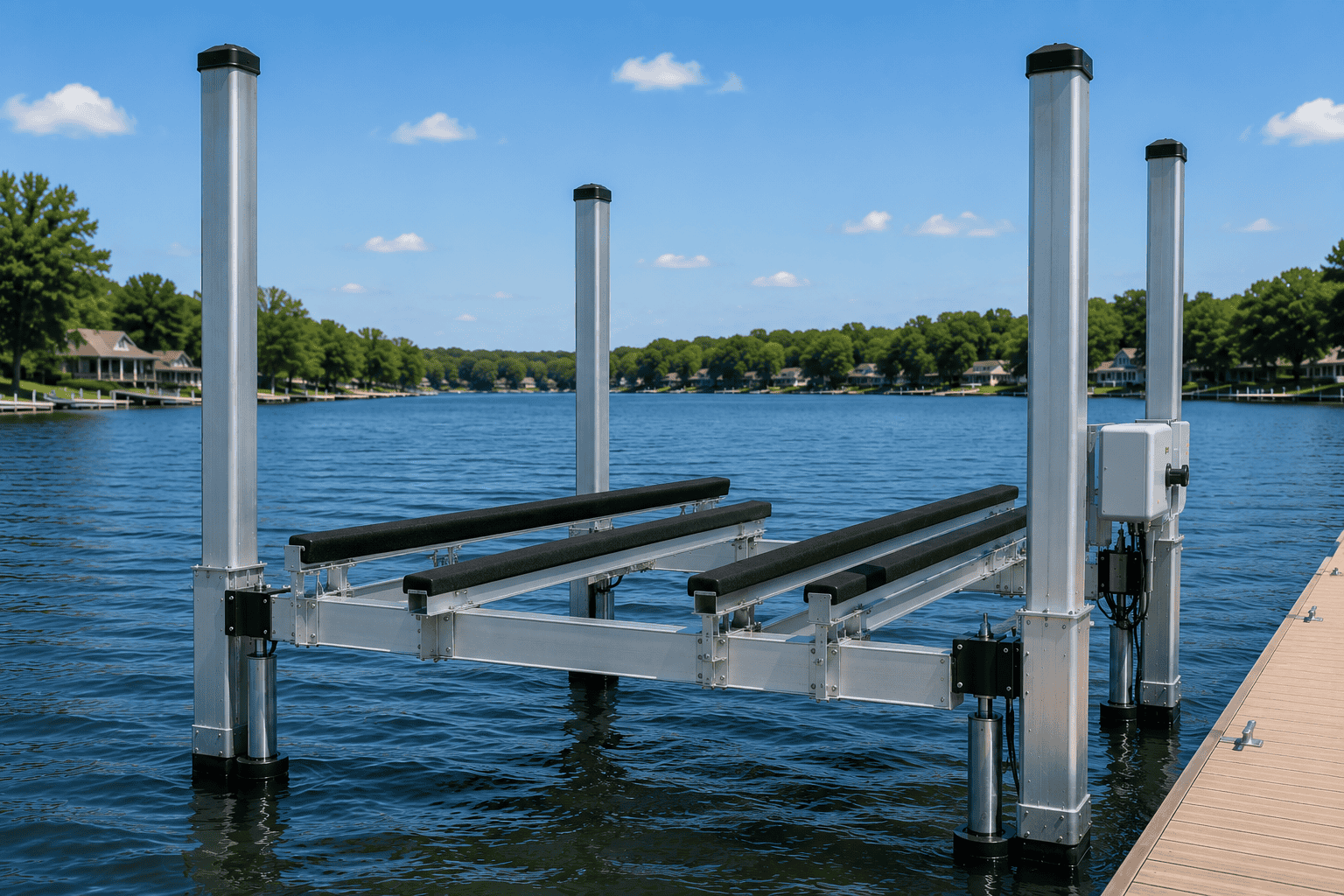
Lift Type: Hydraulic Boat Lifts
Best Fit: Owners who want smooth, convenient lifting and a premium ownership experience
What to Consider: Boat weight, water depth, hydraulic components, installation requirements, and long-term serviceability
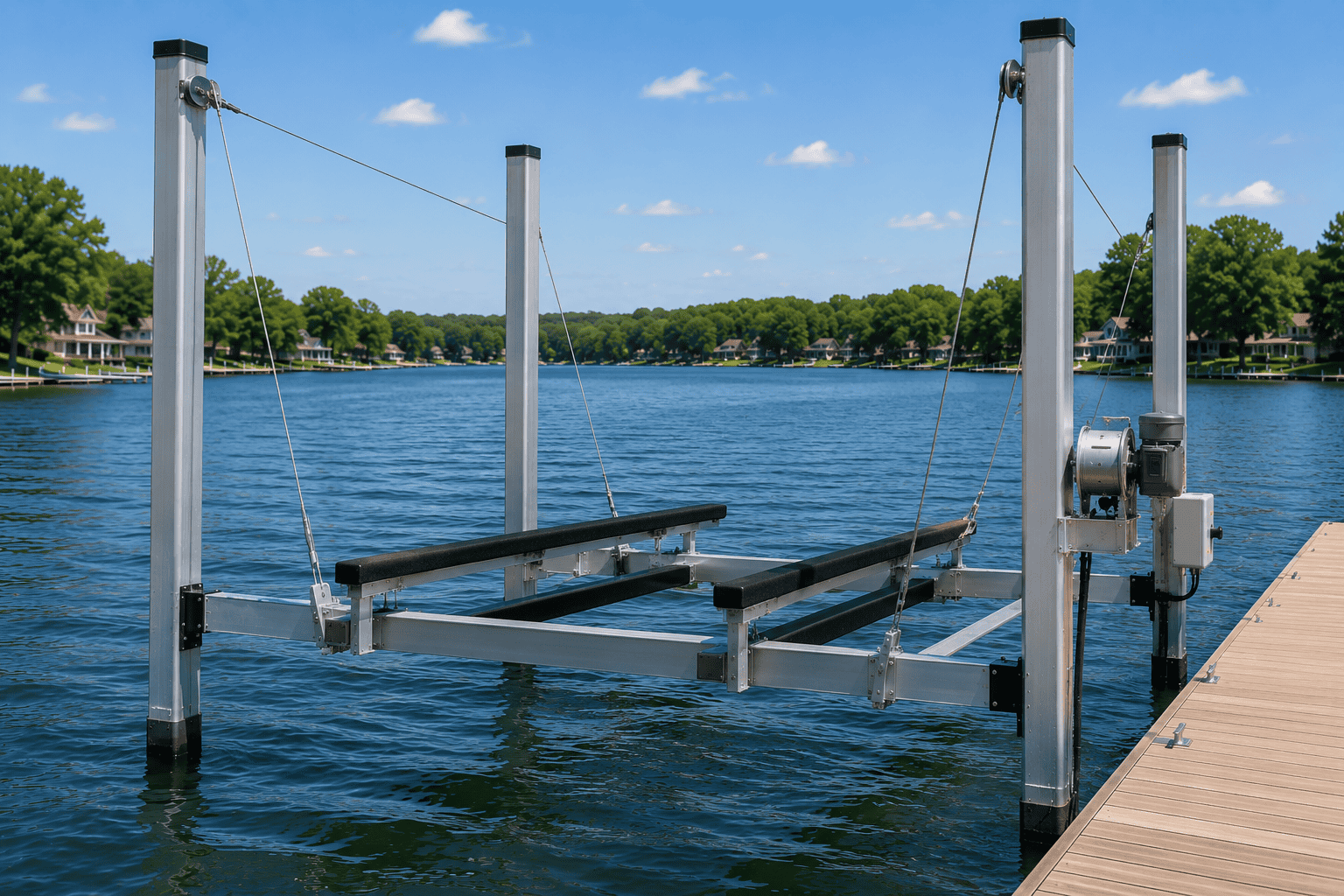
Lift Type: Cable Boat Lifts
Best Fit: Applications where a cable lift is the best match for the boat, site, or budget
What to Consider: Cable condition, capacity, installation setup, service access, and maintenance expectations
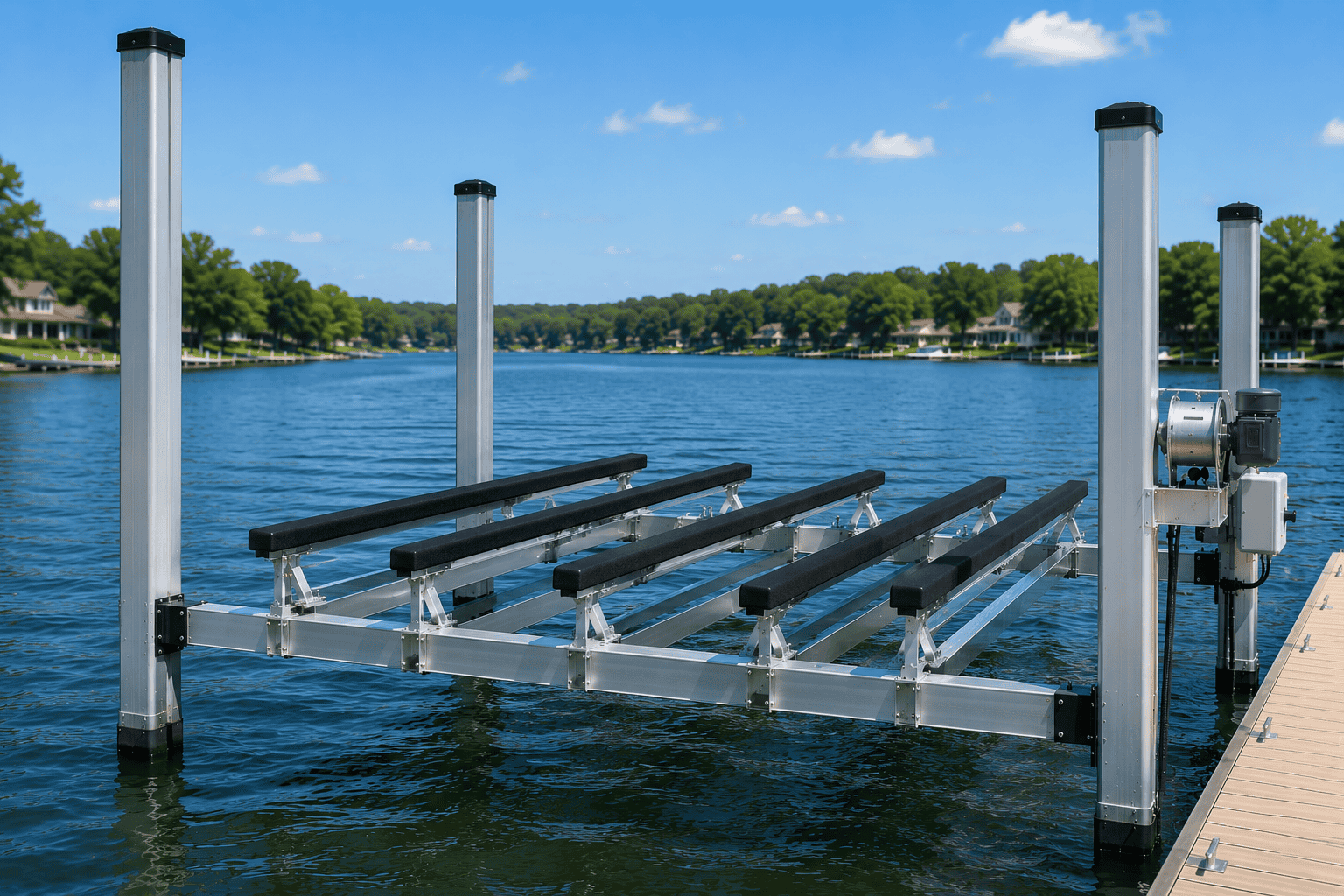
Lift Type: Pontoon & Tri-Toon Lifts
Best Fit: Pontoon and tri-toon owners who need proper tube support and fit
What to Consider: Beam width, bunk length, total loaded weight, tube configuration, and canopy compatibility
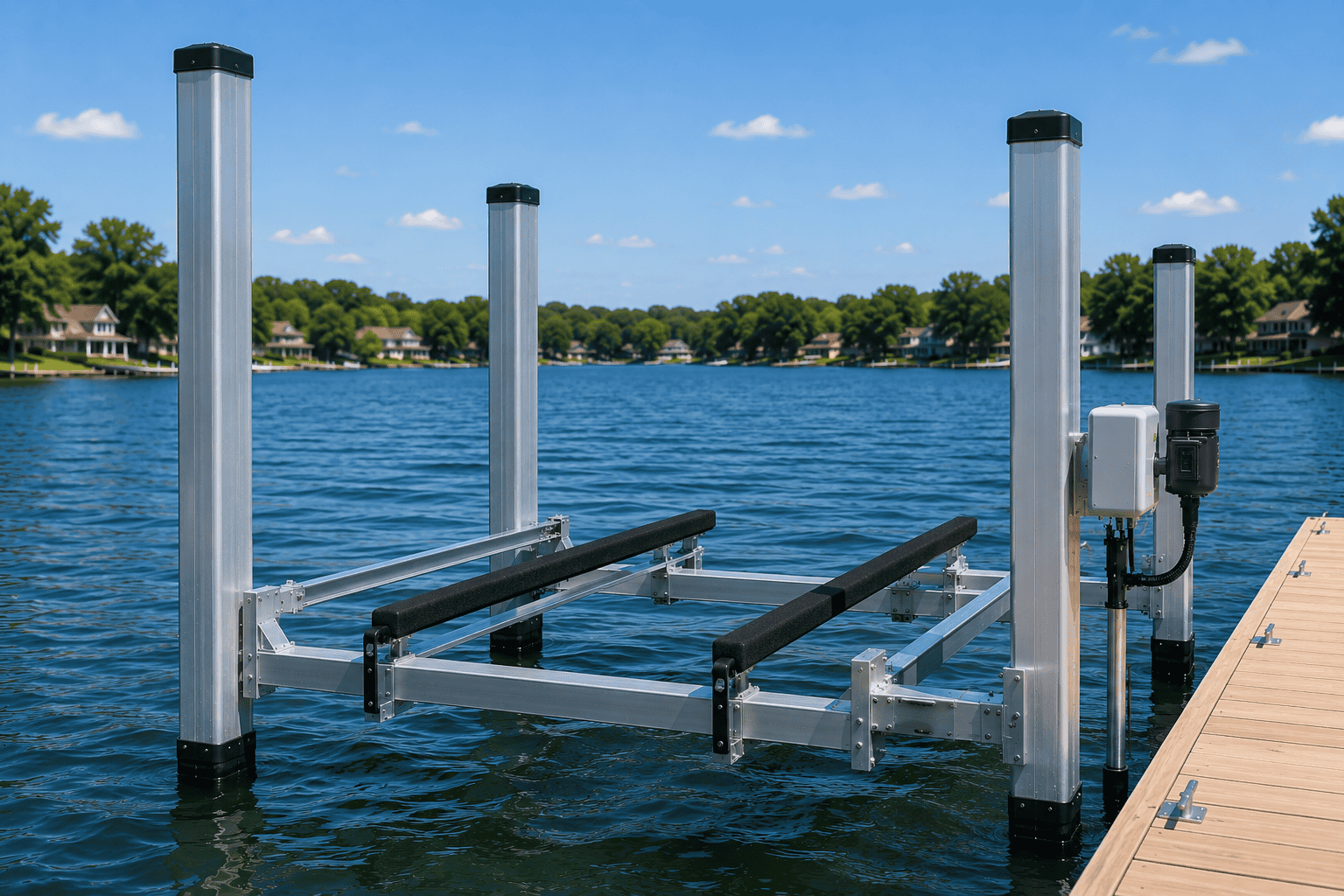
Lift Type: PWC & Small Craft Lifts
Best Fit: Personal watercraft and smaller boats
What to Consider: Craft size, launch convenience, access, placement, and future accessory needs
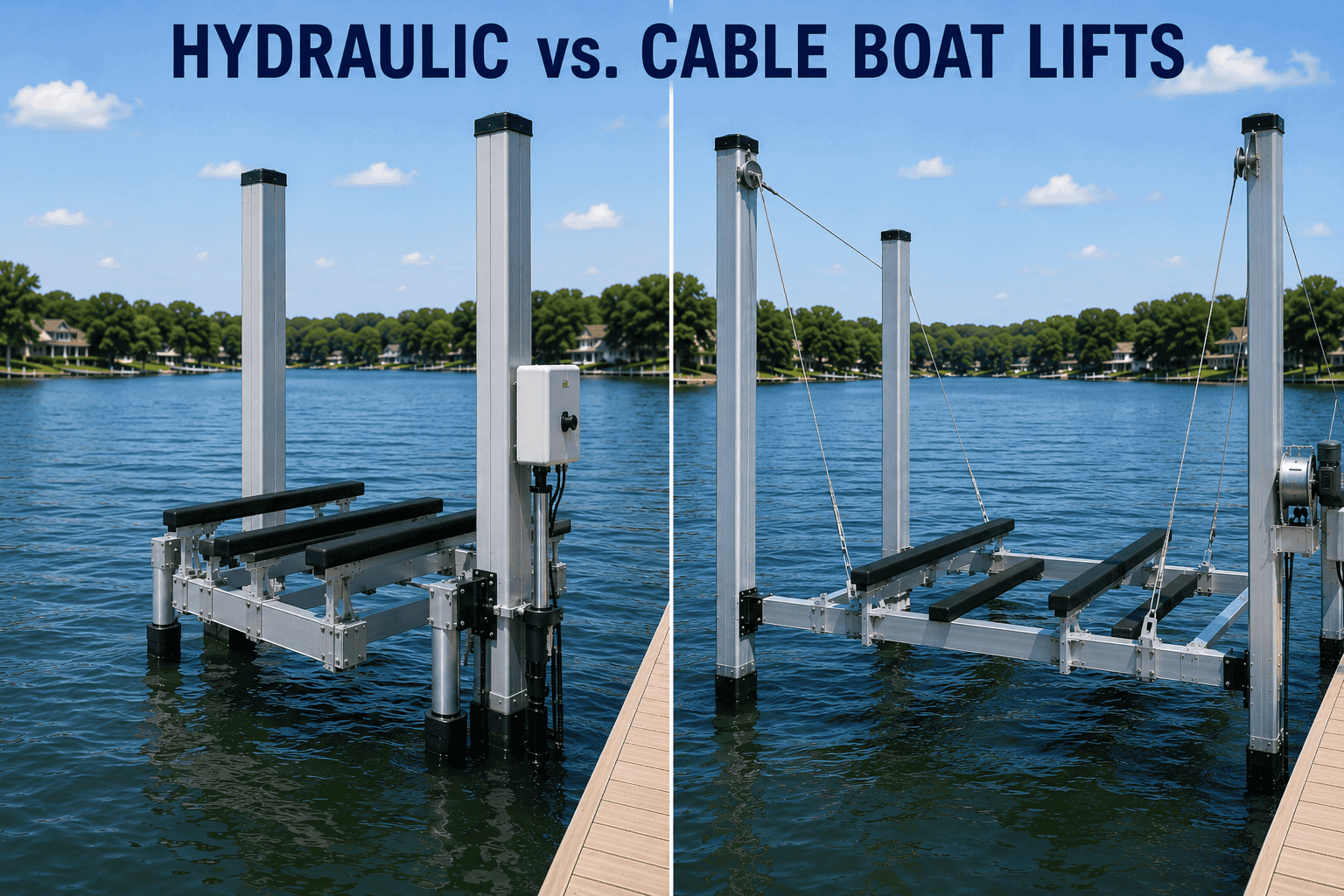
Hydraulic vs. Cable Boat Lifts
When a Hydraulic Lift May Be the Better Fit
A hydraulic lift may be preferred when ease of use, smooth operation, reduced manual effort, and a premium ownership experience are important. Hydraulic systems can be a strong fit for waterfront owners who want reliable performance and a system designed around long-term convenience.
When a Cable Lift May Be the Better Fit
A cable lift may be appropriate when the boat, site, and budget align with that style of lift. Cable lifts still need to be selected carefully based on capacity, installation conditions, service access, and ongoing maintenance needs.
Why the Best Choice Depends on the Full Setup
The right answer is not always determined by one feature. Boat weight, hull style, water conditions, dealer installation, and support needs all matter. Summit Marine can help review the full situation before a recommendation is made.
Pontoon and Tri-Toon Lift Considerations
Pontoon and tri-toon boats often require a more specific review because the lift needs to support the boat properly across the tubes and structure.
Key Details for Pontoon and Tri-Toon Owners
- Total loaded boat weight
- Beam width
- Tube configuration
- Bunk length
- Water depth
- Desired canopy coverage
- Dealer installation requirements
Why Proper Support Matters
A pontoon or tri-toon lift should be selected for the boat’s size, weight, and support needs. A properly matched lift helps improve usability, reduce frustration, and support a better long-term ownership experience.
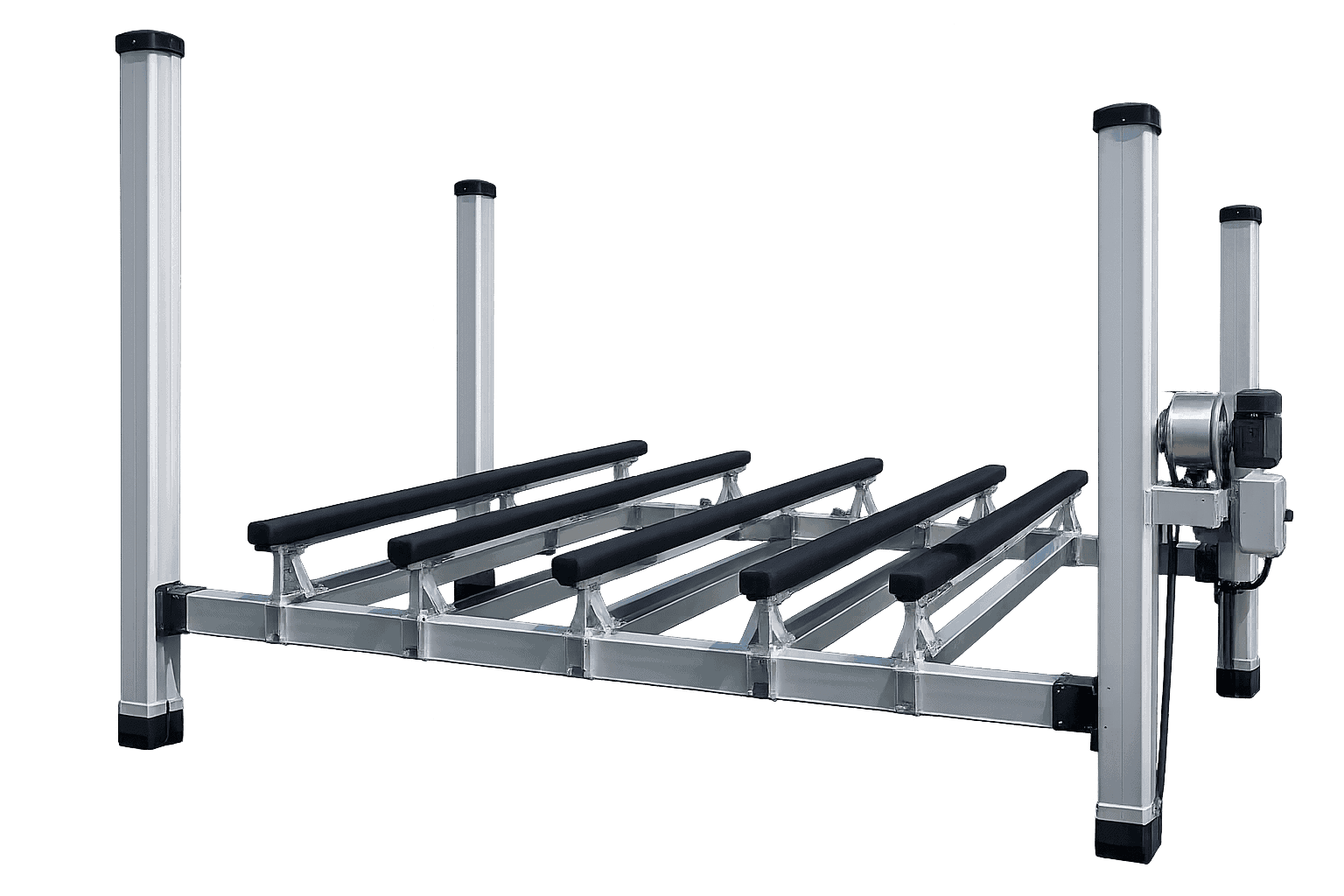
Capacity, Water Depth, and Bunk Fit
Lift Capacity
Lift capacity should account for more than dry boat weight. Motor, fuel, gear, batteries, and regular load should be considered before choosing a model.
Water Depth
Water depth affects how the lift functions and how the boat enters and exits the lift. Bottom conditions and seasonal water changes may also affect the recommendation.
Bunk Fit
Bunks should support the boat properly based on hull type, pontoon or tri-toon configuration, and overall dimensions. If the fit is wrong, the lift may not perform as intended.
Canopies, Accessories, and Future Needs
Even if you are only choosing a lift right now, it helps to think ahead.
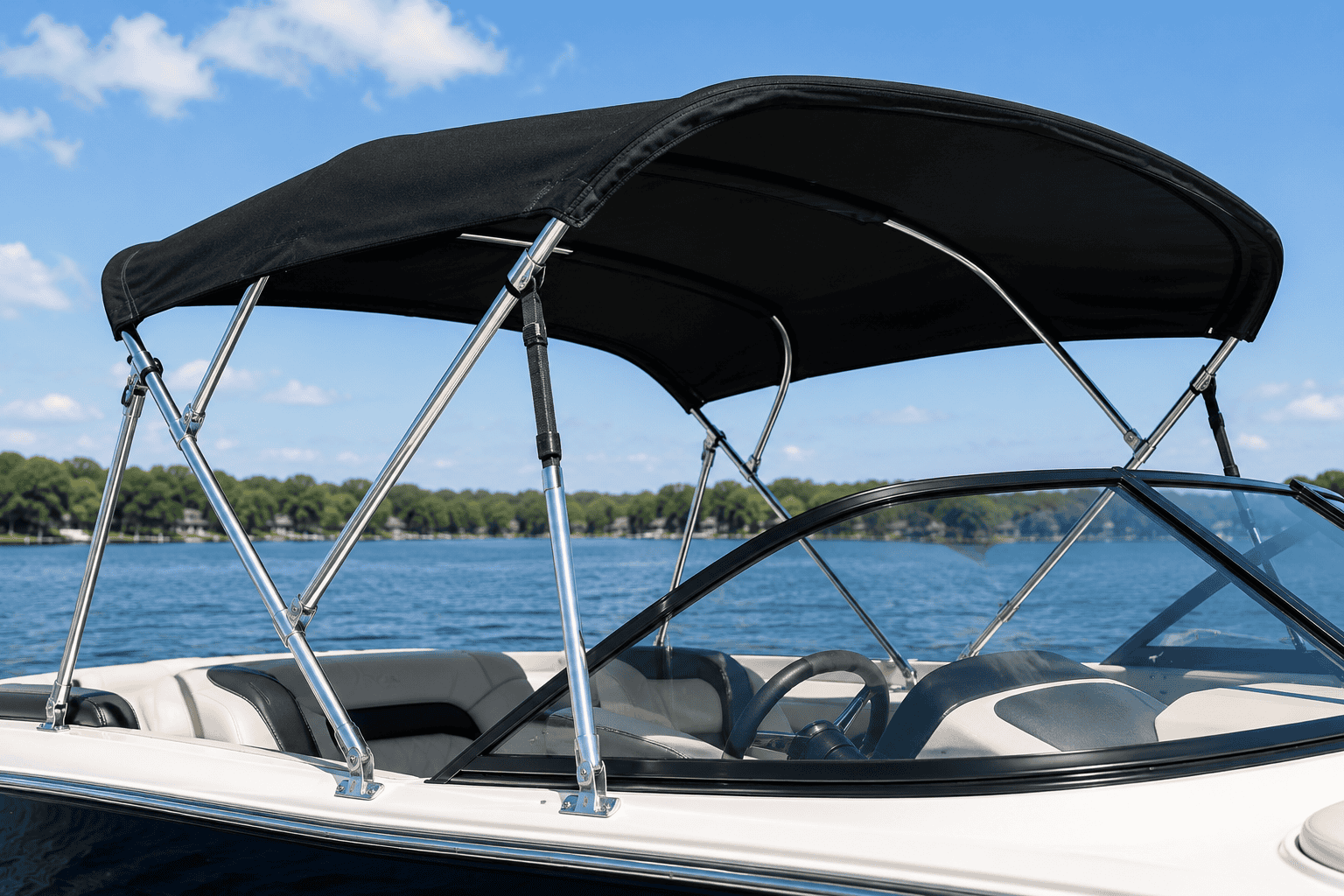
Canopy Compatibility
If a canopy may be added later, discuss that during lift selection. The lift model, upright configuration, dimensions, and desired coverage can affect future canopy options.
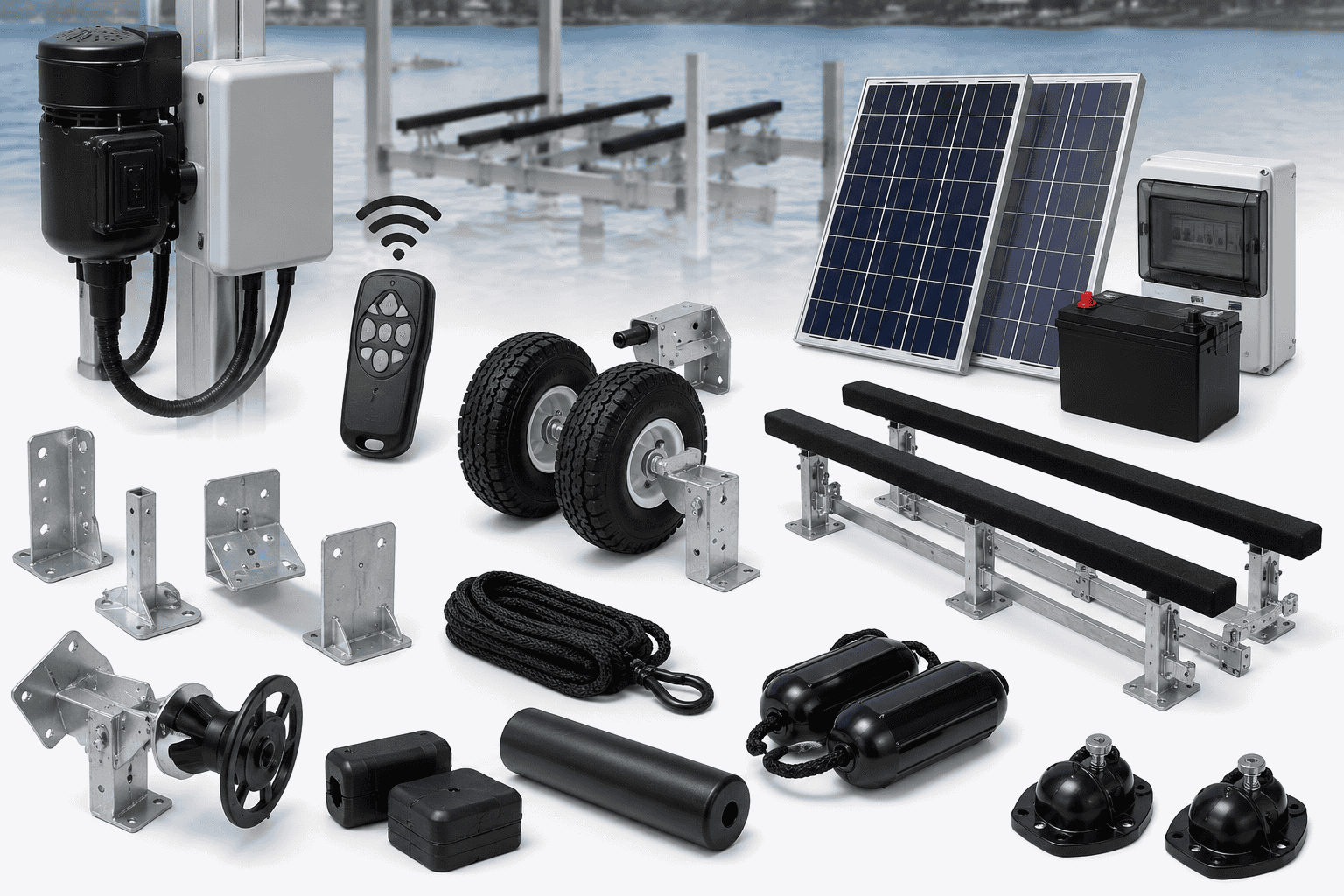
Remote, Solar, and Accessory Options
Power, remote operation, solar components, wheel kits, bunks, and other accessories may be part of the overall plan. If those matter to you, include them in the conversation early.

Dealer Support
Summit Marine’s website is intended to support dealers as well as customers. A clearer lift recommendation helps dealers prepare more accurate estimates, answer questions faster, and support the customer more effectively.
Still Need Help?
Summit Marine’s process starts with understanding the boat, the waterfront, and the intended use. From there, Summit can review the request, help identify the right product direction, and route the inquiry to the appropriate dealer when needed.
Send These Details With Your Request
- Boat make/model, if available
- Boat weight and beam width
- Boat type: traditional hull, pontoon, tri-toon, PWC, or small craft
- Waterfront location
- Water depth
- Photos of the shoreline or dock area
- Whether you need a lift, canopy, dock, parts, or support
- Any known timeline or seasonal need
